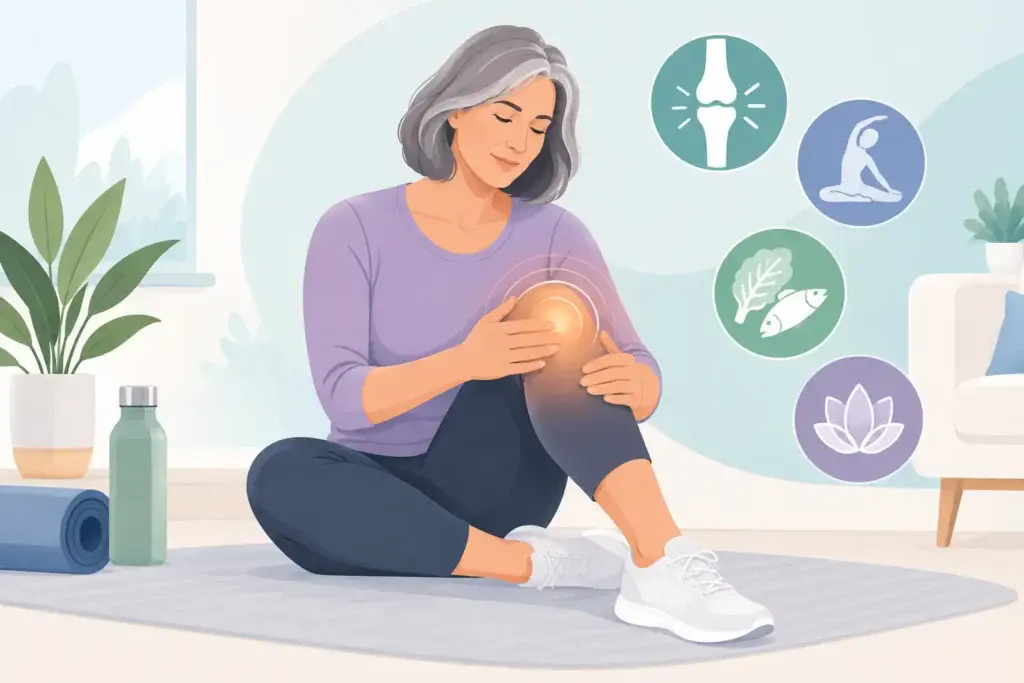
Waking up with stiff fingers, sore knees, or a body that seems to creak before it moves can feel unsettling, especially when it arrives alongside sleep changes, hot flashes, or shifting moods. This guide to menopause joint pain can help you make sense of what you are feeling, identify practical ways to support your body, and know when it is time to ask for medical care. You are not imagining it, and you do not have to simply push through it.
Why menopause can affect your joints
Joint pain and stiffness are commonly reported during perimenopause and menopause. While researchers are still learning about the full connection, changing estrogen levels may play a role. Estrogen supports several tissues throughout the body, including cartilage, bone, muscles, and the connective tissue around joints. When hormone levels fluctuate and eventually decline, some women notice more aches, stiffness, or reduced comfort with movement.
The experience is not identical for everyone. For one person, it may feel like new morning stiffness in the hands. For another, it may be knee pain on stairs, sore shoulders at night, or generalized body aches that seem to move around. Symptoms can also feel more intense when sleep is disrupted, stress is high, or you have been less active because you are tired.
Menopause may be part of the picture, but it is not always the whole explanation. Osteoarthritis becomes more common with age, and old injuries, autoimmune conditions, thyroid disorders, medication effects, vitamin deficiencies, and other health concerns can also cause joint symptoms. That is why a clear view of your pattern matters.
What menopause joint pain can feel like
Menopause-related joint discomfort is often described as stiffness after rest, achiness in multiple areas, tenderness, or a feeling that joints are less flexible than they used to be. Hands, wrists, knees, hips, shoulders, neck, and lower back are frequent trouble spots.
Notice the timing as well as the location. Does stiffness ease after you move around? Is pain worse after a poor night of sleep? Did it begin around the same time as cycle changes, hot flashes, or other perimenopause symptoms? These details do not diagnose the cause, but they can help you and your clinician see the broader context.
It can also be emotionally tiring to live with pain that is hard to explain. If you have been told that aches are “just aging,” it makes sense to want a more useful answer. Aging is not a diagnosis. Your symptoms deserve thoughtful attention, even when the next step is a simple adjustment rather than a major treatment.
A practical guide to menopause joint pain relief
There is no single solution that works for every body, but consistent, gentle support can make a meaningful difference. Start with approaches that are realistic enough to repeat, rather than trying to overhaul everything at once.
Choose movement that builds comfort, not punishment
Regular movement helps keep joints mobile, strengthens the muscles that support them, and benefits bone health, mood, and sleep. The right type and amount depend on your current pain level, fitness, injuries, and preferences.
Walking, swimming, water exercise, cycling, yoga, tai chi, and strength training can all be helpful options. Strength work is especially valuable because stronger muscles can reduce strain on joints and support long-term independence. If you are new to exercise or returning after a break, begin slowly. Ten minutes of walking or a few basic strength exercises twice a week is a real starting point.
Pay attention to the difference between expected muscle soreness and pain that is sharp, worsening, or lasts well beyond your activity. You may need a lower-impact option, more recovery time, or individualized guidance from a physical therapist.
Make mornings and recovery easier
If stiffness is strongest when you wake up, a warm shower, heating pad, or a few minutes of gentle range-of-motion exercises may help your body loosen up. Some women find that a short walk or light stretching break during the workday prevents stiffness from building.
Recovery matters just as much as activity. Sleep disruption can lower your pain threshold, making aches feel louder the next day. If night sweats or insomnia are affecting your rest, bring that up at your appointment. Supporting sleep may be part of supporting your joints.
Support the foundations without chasing perfection
Food, hydration, stress, and daily routines cannot erase every symptom, but they can influence how resilient you feel. Aim for regular meals that include protein, fiber-rich plants, and sources of calcium and vitamin D appropriate for your needs. Adequate protein supports muscle maintenance, which becomes increasingly important through midlife.
There is no need to follow a restrictive “anti-inflammatory” diet or buy expensive supplements because they are trending. Some people benefit from specific supplements, while others do not, and some can interact with medications. A clinician or registered dietitian can help you make choices based on your health history and lab results.
Consider medication and hormone conversations carefully
Over-the-counter pain relievers may help some people, but they are not right for everyone. Anti-inflammatory medications can affect the stomach, kidneys, blood pressure, and heart health, particularly with frequent use or certain medical conditions. Ask a pharmacist or clinician what is safe for you before making them a regular part of your routine.
Menopausal hormone therapy may improve some menopause symptoms and can indirectly help if hot flashes and poor sleep are contributing to pain. It is not prescribed solely as a universal treatment for joint pain, and it has benefits and risks that depend on factors such as age, time since menopause, medical history, and personal preferences. A personalized conversation is more useful than a one-size-fits-all answer.
Track the pattern before your appointment
A symptom tracker can turn a vague feeling of “everything hurts” into information your clinician can use. For two to four weeks, note which joints hurt, your pain level, morning stiffness, sleep quality, activity, menstrual changes if you still have periods, and anything that seems to help or worsen symptoms.
You might also write down questions before your visit. For example: Could this be osteoarthritis or an inflammatory condition? Should I have blood work, imaging, or a bone-density discussion? Could my sleep, medications, or thyroid health be contributing? What movement is appropriate for my current pain level?
This preparation is not about proving that your pain is real. It is about giving yourself a clearer, more confident starting point for the conversation. A printable tracker or journal can be especially helpful when symptoms vary from day to day.
When joint pain needs prompt medical attention
Menopause can overlap with joint discomfort, but certain symptoms deserve timely evaluation rather than watchful waiting. Contact a clinician promptly if you have:
- A joint that is hot, red, significantly swollen, or difficult to move
- Fever, unexplained weight loss, rash, or feeling generally unwell alongside joint pain
- Severe pain after a fall or injury, or an inability to bear weight
- Numbness, new weakness, loss of bladder or bowel control, or pain that is rapidly worsening
Also schedule an appointment if stiffness lasts longer than about 30 to 60 minutes most mornings, pain is symmetrical in small joints such as both hands, or symptoms are interfering with work, sleep, movement, or daily life. These patterns do not automatically mean something serious, but they are worth assessing.
Give yourself room to adjust
Your body may need a different kind of care in this chapter than it did ten years ago. That does not mean you are fragile or failing. It means you are gathering information, responding with care, and building routines that support the life you want to keep living.
Start with one small observation this week: where the pain shows up, what changes it, and what helps you feel more at ease. Clarity often begins there, and it can make the next conversation with your healthcare provider feel far less overwhelming.
This article is for educational purposes only and is not medical advice. Always consult a qualified healthcare provider about your health.