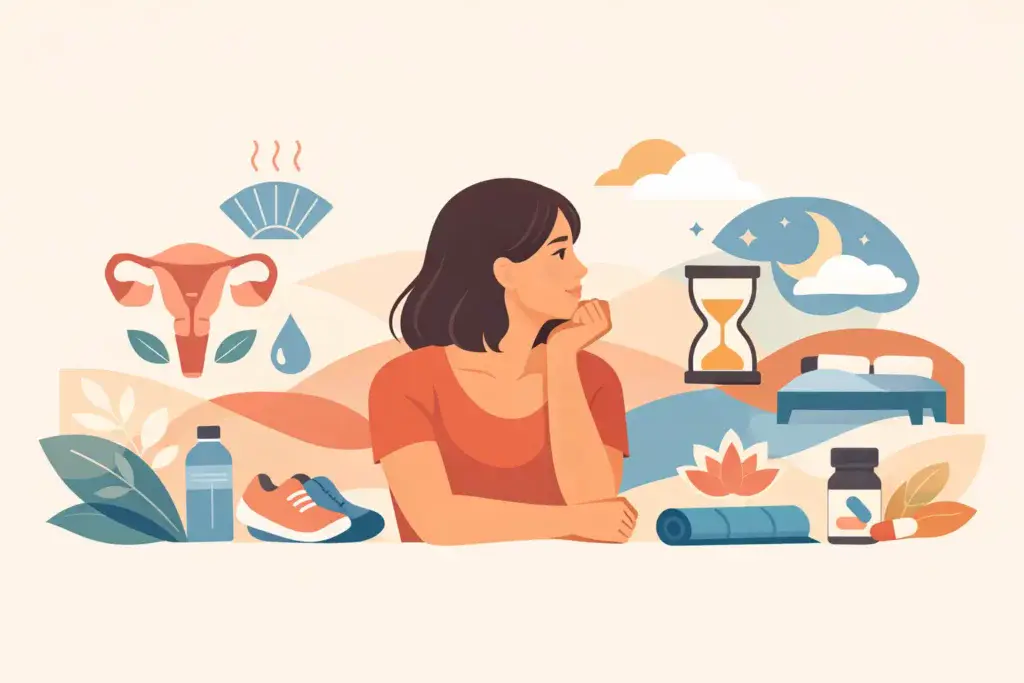
Some women first notice perimenopause in the middle of the night – waking at 3 a.m., suddenly sweaty, wide awake, and wondering why their usual routines no longer seem to work. Others notice shorter cycles, new anxiety, heavier periods, or a kind of brain fog that feels hard to explain. If you are asking how to prepare for perimenopause, the most helpful place to start is not panic. It is paying attention.
Perimenopause is the hormonal transition leading up to menopause, and it can begin years before periods stop completely. For some women, it starts in their late 30s, though it is more common in the 40s. The experience is not identical for everyone. That is part of what makes it confusing. You may have clear physical changes, mostly emotional changes, or symptoms that seem unrelated until you look at them together.
How to prepare for perimenopause without overwhelm
Preparation is less about controlling every symptom and more about building a clearer picture of your body, your patterns, and your support. That matters because perimenopause is often easier to navigate when you can recognize changes early and respond with intention instead of second-guessing yourself.
A good first step is learning what can shift during this stage. Irregular periods are common, but so are sleep problems, mood changes, irritability, fatigue, night sweats, headaches, vaginal dryness, lower stress tolerance, and changes in body composition. Some women also notice heart palpitations, joint discomfort, or a dip in concentration. You are not imagining it, and you are not failing at health. Hormonal fluctuations can affect many systems at once.
Still, not every change is automatically perimenopause. Thyroid conditions, iron deficiency, chronic stress, depression, medication side effects, and other health issues can overlap with similar symptoms. That is why preparation should include observation and medical context, not self-diagnosis alone.
Start tracking before you need perfect answers
One of the most practical things you can do is track symptoms in a simple, consistent way. You do not need an elaborate system. What helps is recording enough information to spot patterns over time.
Start with your cycle, even if it has become irregular. Note the start date of each period, how heavy it is, how long it lasts, and whether cramps or clotting have changed. Then add a few daily notes about sleep, mood, anxiety, hot flashes, energy, headaches, and anything else that feels new or disruptive. If you can, also note common influences like alcohol, major stress, travel, illness, and exercise.
This matters because memory is often unreliable when symptoms come and go. A rough record can help you see whether your insomnia worsens before your period, whether anxiety spikes with cycle changes, or whether hot flashes are becoming more frequent. It also makes doctor visits far more productive. Instead of saying, “I just feel off,” you can say, “For the past three months, I have had night waking four to five times a week, and my cycles have shortened from 28 days to 22.”
Build your health foundation early
If you want to know how to prepare for perimenopause in a way that actually helps day to day, focus on the basics that become more important as hormones fluctuate. This is not glamorous advice, but it is often the most stabilizing.
Sleep deserves real attention. Hormonal changes can make sleep lighter and more fragmented, and poor sleep can worsen mood, cravings, brain fog, and stress tolerance. Protecting your sleep routine may mean adjusting room temperature, limiting evening alcohol, reducing late caffeine, and keeping wake times consistent even when sleep is imperfect.
Nutrition also becomes less about chasing rules and more about steady support. Regular meals with enough protein, fiber, and healthy fats can help with energy, blood sugar stability, and satiety. If your periods are getting heavier, it is also worth discussing your iron status with your doctor. Some women benefit from paying closer attention to calcium, vitamin D, and overall bone health as they move through this phase.
Movement can help, but the right kind depends on what your body is dealing with. Strength training supports muscle and bone health. Walking can help with mood and blood sugar. Gentle mobility work may ease stiffness. If high-intensity workouts suddenly leave you drained, that does not mean you should stop moving. It may mean your body needs a different balance.
Stress management sounds vague until hormones make stress feel physically louder. You may notice that the coping tools that used to be enough no longer work as well. That is useful information, not a personal flaw. Breathing practices, therapy, journaling, boundaries around overcommitment, and reducing inputs that leave you depleted can all be part of preparation.
Know what deserves a doctor’s conversation
Perimenopause is a normal life stage, but normal does not mean you have to simply endure it. Preparation includes knowing when to seek support and what to ask.
Make an appointment if symptoms are affecting your daily life, your sleep, your work, your relationships, or your mental health. Also, speak with a clinician if you are having very heavy bleeding, periods that are dramatically closer together, bleeding after sex, severe pelvic pain, chest symptoms, or sudden changes that feel alarming. Those symptoms deserve proper evaluation.
It can help to go into the visit with a short written summary. Include your age, cycle changes, top symptoms, how long they have been happening, what makes them better or worse, and any relevant family history. If mood or anxiety symptoms are significant, say that clearly. If sex has become painful, bring that up too. Many women leave out the symptoms that are affecting them most because they feel embarrassed or think they are not connected.
Lab work can be useful in some cases, but it has limits. Hormone levels can fluctuate significantly during perimenopause, so a single test does not always give a complete answer. Depending on your symptoms, your clinician may also consider thyroid testing, iron levels, vitamin deficiencies, or other evaluations. Good care usually comes from the full picture, not from a single number.
Prepare your home life, not just your medical file
Perimenopause often affects more than physical symptoms. It can change patience, confidence, focus, intimacy, and how much margin you have in a day. Preparing well means making your environment more supportive.
That may look like talking with a partner about what you are noticing instead of trying to push through in silence. It may mean simplifying your schedule if you are already stretched thin. It may mean keeping a fan by the bed, replacing products that suddenly irritate your skin, or giving yourself permission to stop comparing this season of health to your 20s or early 30s.
Emotional preparation matters too. Many women are caught off guard, not just by symptoms but by the uncertainty of them. The cycle may change before you feel ready. Your body may respond differently to stress, exercise, or alcohol. You may feel unlike yourself for stretches of time. Having language for that can reduce fear. A transition is still a transition, even when it is medically expected.
How to prepare for perimenopause with the right support
You do not need to figure all of this out alone. Support can come from a clinician who takes your symptoms seriously, a trusted friend in the same stage of life, a therapist, or well-organized educational tools that help you make sense of what you are tracking. For many women, clarity itself is calming.
It also helps to expect some trial and error. What works for one woman may not work for another, and what helps this year may need adjusting later. Some women benefit from lifestyle changes alone. Others need treatment for specific symptoms. Others find that sleep support, therapy, pelvic care, or menopause-focused medical guidance makes the biggest difference. It depends on your symptoms, your health history, and how much those changes are affecting your life.
If you have been feeling confused, dismissed, or late to this conversation, you are not behind. Perimenopause is still poorly explained in many places, which is exactly why practical education matters. Resources from platforms like Novelle Journey can help organize what feels scattered so you can move forward with more confidence.
Preparing for perimenopause is really about learning to trust your observations, support your body with consistency, and ask for care without minimizing what you feel. You do not need to have all the answers right now. You just need a clearer starting point, and you can begin there today.
This article is for educational purposes only and is not medical advice. Always consult a qualified healthcare provider about your health.