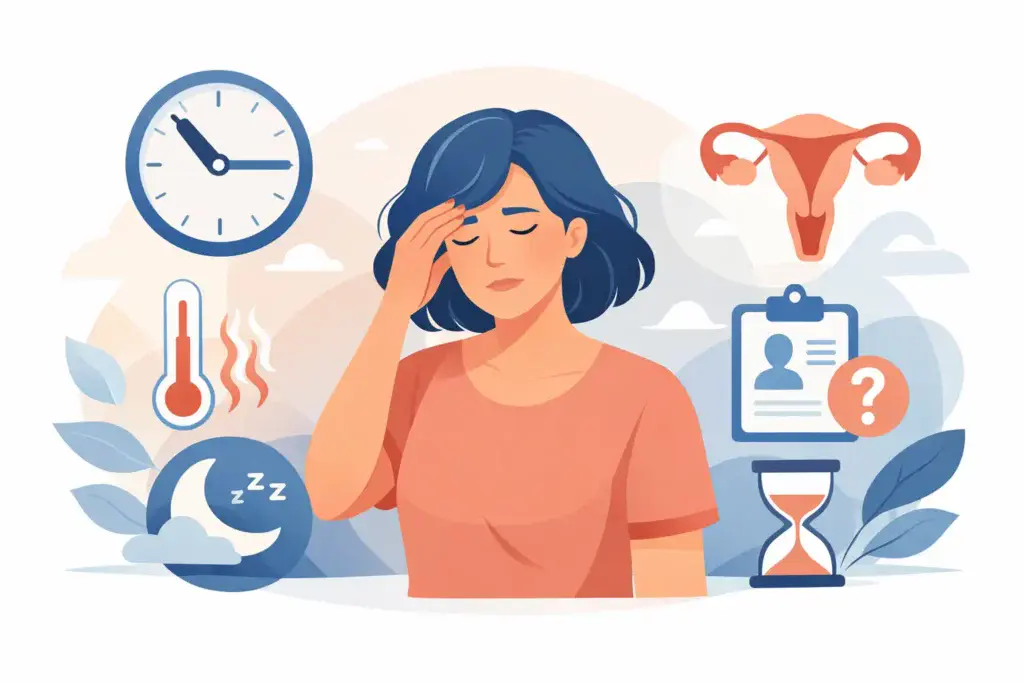
A hot flash that interrupts a meeting is frustrating. A night of poor sleep may feel manageable. But when the symptoms begin stacking up – sleep loss, anxiety, brain fog, heavy bleeding, exhaustion, or a sense that you no longer feel like yourself – it can be hard to know what deserves medical attention. If you are wondering when should menopause symptoms be evaluated, the answer is not limited to a certain age or level of discomfort. It is whenever symptoms are persistent, disruptive, unfamiliar, or concerning to you.
You are not imagining the changes. Perimenopause and menopause can affect the body and mind in ways that are real, variable, and sometimes surprisingly intense. At the same time, not every new symptom should automatically be attributed to hormones. A thoughtful evaluation can help you understand what is happening, rule out other causes, and discuss options that fit your health history and priorities.
When menopause symptoms should be evaluated
There is no prize for pushing through symptoms that are affecting your quality of life. Schedule a routine appointment when changes are interfering with sleep, work, relationships, movement, mood, or your ability to enjoy daily life. This may include frequent hot flashes or night sweats, new vaginal dryness or pain with sex, low mood, irritability, concentration difficulties, fatigue, joint aches, or changes in sexual desire.
An evaluation is also worthwhile when you are unsure whether you are in perimenopause. The transition often begins in the 40s, but symptoms and cycle changes can start earlier. Periods may become shorter, longer, heavier, lighter, closer together, or farther apart. Some women notice sleep or mood changes before their cycles become noticeably irregular.
You do not need to wait until periods stop completely. Menopause is confirmed retrospectively after 12 consecutive months without a menstrual period, but support can begin during the years leading up to that point. If symptoms are affecting your well-being now, they are worth discussing now.
Symptoms that deserve a prompt appointment
Some changes are common in the menopause transition, yet still deserve timely medical review because they may need treatment or may have another cause. Make an appointment soon if you have unusually heavy bleeding, bleeding that lasts much longer than usual, periods that become very close together, or bleeding that returns after you have gone 12 months without a period.
Also contact a clinician promptly for new or worsening depression, persistent anxiety, severe insomnia, a major change in energy, unexplained weight change, palpitations, or symptoms that feel distinctly different from what you have experienced before. Hormonal shifts can contribute to these concerns, but thyroid conditions, anemia, medication effects, sleep disorders, and other health issues can look similar.
A clinician can help sort through the pattern rather than asking you to guess. That is especially valuable if symptoms began suddenly, are progressing quickly, or are affecting your ability to function.
Seek urgent care for red-flag symptoms
Menopause symptoms should never be used to explain away signs of an emergency. Seek urgent or emergency care for chest pain or pressure, shortness of breath, fainting, sudden weakness or numbness on one side of the body, trouble speaking, a severe sudden headache, or thoughts of harming yourself.
Heavy vaginal bleeding may also require urgent care, particularly if you are soaking through pads or tampons rapidly, passing large clots, feeling dizzy or faint, or experiencing severe pelvic pain. If you are unsure how urgent a symptom is, calling a healthcare office, urgent care center, or local nurse line can help you decide on the next step.
Why evaluation can bring clarity, not just a label
Many women worry that a visit will end with, “That is just menopause.” While hormonal changes may be part of the story, a good evaluation should be broader than that. Your clinician may ask about your menstrual pattern, sleep, mood, medical history, medications, family history, and personal goals. Depending on your symptoms, they may consider testing or screening for conditions such as thyroid disease, anemia, diabetes, depression, anxiety, or sleep apnea.
For most women over 45 with typical symptoms and cycle changes, hormone testing is not necessary to diagnose perimenopause. Hormone levels can fluctuate widely from day to day, so a single result may not provide a clear answer. Testing may be more useful in certain circumstances, including symptoms at an earlier-than-expected age, a history of hysterectomy, or questions about other medical conditions.
This is one reason symptom patterns matter. A calendar can show what a single appointment cannot: whether night sweats cluster before a period, whether anxiety follows several nights of disrupted sleep, or whether fatigue has become constant rather than occasional. Your experience is valid even if a lab result does not offer a neat explanation.
Preparing for a menopause appointment
You do not need to arrive with perfect records. A few weeks of simple notes can make the conversation more specific and productive. Track your period dates if you still have them, along with symptoms, severity, sleep quality, mood, medications, and anything that seems to trigger or ease symptoms.
Write down the two or three concerns you most want addressed. For example: “I wake up drenched three nights a week,” “my bleeding is much heavier than it used to be,” or “I cannot focus at work after poor sleep.” Specific examples make it easier for a clinician to understand the impact on your life.
It can also help to bring a list of medications, supplements, and relevant family history, including blood clots, breast or ovarian cancer, heart disease, and osteoporosis. These details matter when discussing treatment choices, particularly menopausal hormone therapy.
Consider asking direct questions such as:
- Could these symptoms be related to perimenopause or menopause, or should we look for other causes?
- Does my bleeding pattern need testing or a referral?
- What treatment options could help my most disruptive symptoms?
- What are the benefits, risks, and alternatives based on my personal health history?
- When should I follow up if the plan is not helping?
If you have felt dismissed in the past, bringing a written symptom summary can keep the visit grounded in facts. You are allowed to say, “This is affecting my daily life, and I would like to discuss options.” Seeking another clinician or a menopause-informed specialist is also reasonable if you leave without answers or a plan.
Treatment is personal, and relief can take more than one form
An evaluation does not obligate you to take medication, and there is no single right approach. Some women benefit from changes that support sleep, stress regulation, movement, and nutrition. Others want to discuss nonhormonal medications for hot flashes, mood symptoms, or sleep. For eligible women, hormone therapy can be an effective option for bothersome vasomotor symptoms such as hot flashes and night sweats, as well as certain vaginal symptoms.
The right choice depends on the symptom you want to treat, your health history, the time since menopause, and your preferences. Vaginal estrogen, for example, is different from systemic hormone therapy and may be considered for localized symptoms such as dryness or urinary discomfort. A clinician can explain what may be appropriate for you and why.
It is also okay if your needs change. The plan that helps during early perimenopause may not be the plan you need later. Follow-up is part of good menopause care, not a sign that you have failed to manage it correctly.
Trust the pattern, and trust yourself
Menopause is a normal life stage, but suffering in silence is not a requirement of it. If a symptom is new, persistent, disruptive, or simply worrying, it deserves attention. Start with what you are noticing, document the pattern if you can, and bring your real questions to the appointment.
Clarity often begins with a small step: naming what has changed and giving yourself permission to ask for support. Novelle Journey believes you deserve care that sees the full picture – not just a symptom, a lab value, or your age.
This article is for educational purposes only and is not medical advice. Always consult a qualified healthcare provider about your health.