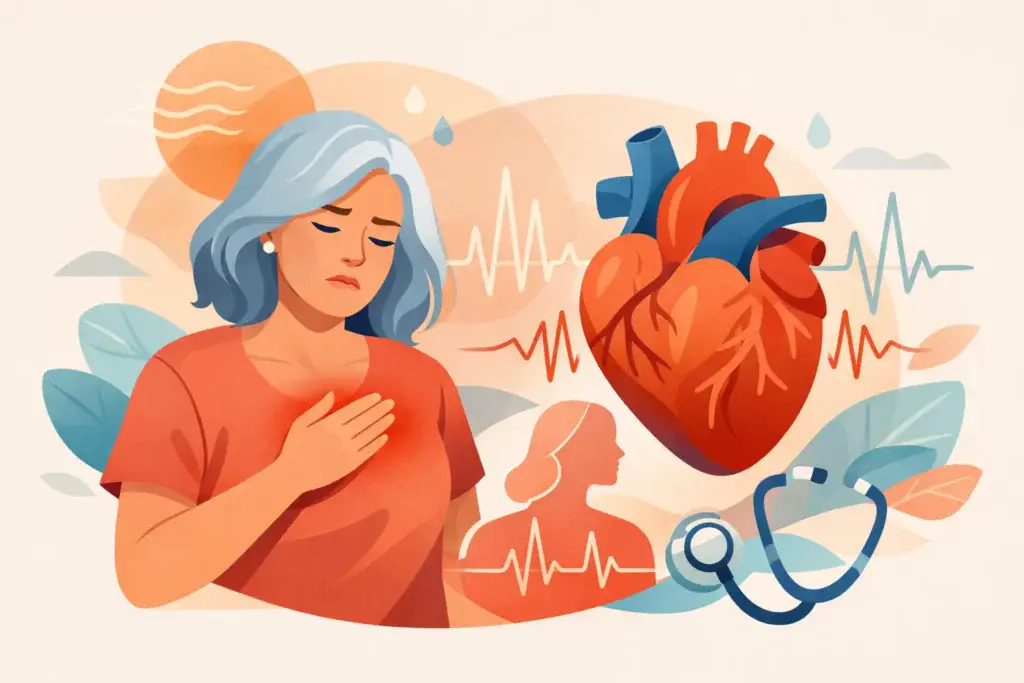
A sudden flutter in your chest can make an ordinary moment feel frightening. Maybe it happens while you are lying awake after a hot flash, walking up the stairs, or sitting at your desk with no obvious reason. If you are asking, can menopause cause heart palpitations, the short answer is yes: palpitations are a common experience during perimenopause and menopause. But common does not mean something to automatically dismiss.
You are not imagining the sensation, and you do not have to figure it out alone. Hormonal changes can affect how your heart feels and how aware you are of its rhythm. At the same time, palpitations can have causes that deserve medical attention. The most reassuring path is to understand the pattern, know the warning signs, and bring clear information to your healthcare provider.
Can menopause cause heart palpitations?
Menopause can be associated with heart palpitations, particularly during perimenopause, when estrogen and progesterone levels can fluctuate widely. A palpitation is the feeling that your heart is racing, fluttering, pounding, skipping, or beating irregularly. It may last a few seconds, a few minutes, or longer.
For some women, the sensation is a brief extra beat or a “flip-flop” in the chest. Others notice a faster pulse, often at night or during a hot flash. These symptoms can feel intense even when a heart rhythm is not dangerous. Still, no one can determine the cause of palpitations based on timing or sensation alone, which is why a new, changing, or persistent symptom is worth discussing with a clinician.
Research and clinical experience support that palpitations are frequently reported in the menopause transition. Yet they are less discussed than hot flashes, sleep changes, or mood shifts. That gap can leave women wondering whether the symptom is hormonal, stress-related, or a sign that something is wrong with their heart. Sometimes, more than one factor is involved.
Why hormonal shifts may make your heart feel different
Estrogen has effects throughout the body, including on blood vessels and the autonomic nervous system, which helps regulate heart rate, blood pressure, temperature, and stress responses. When hormone levels shift, your body may become more sensitive to changes in adrenaline and other stress signals. That can make a normal variation in heart rhythm feel more noticeable.
Hot flashes may play a role, too. During a hot flash, blood vessels widen, and the body works quickly to release heat. Your heart rate can rise as part of that response. If you wake with sweating, a pounding heart, and a rush of worry, the experience can be especially unsettling, even if it settles within minutes.
Sleep disruption is another important piece. Poor sleep can increase stress sensitivity, make caffeine feel stronger, and reduce your resilience when symptoms arise. Anxiety can also cause or amplify palpitations. This does not mean the symptom is “just anxiety.” It means the nervous system and the heart are closely connected, and menopause can place extra strain on both.
Other common contributors include dehydration, alcohol, nicotine, caffeine, low blood sugar, certain cold medicines or supplements, thyroid changes, anemia, and some prescription medications. Heart rhythm conditions become more common with age as well. Menopause may be the context in which you first notice palpitations, but it should not be assumed to be the only explanation.
What menopause palpitations can feel like
There is no single menopause palpitation pattern. You may notice fluttering in the chest, a skipped or extra beat, a pulse that feels suddenly fast, or a hard thump after a pause. Some women feel the sensation in the throat or neck rather than the chest.
Pay attention to context instead of trying to diagnose the rhythm yourself. Do symptoms occur with hot flashes, after coffee or wine, during stressful conversations, when you stand up quickly, or in the middle of the night? Do they pass quickly, or do they continue? These details can help your clinician decide whether simple monitoring, bloodwork, an electrocardiogram, or a wearable heart monitor would be useful.
When palpitations need urgent care
Most palpitations are not an emergency, but certain symptoms should be treated as urgent. Call 911 or seek emergency care if palpitations come with chest pain, pressure, severe shortness of breath, fainting, near-fainting, new confusion, or weakness or numbness on one side of the body.
You should also contact a healthcare professional promptly if your heartbeat is persistently very fast or irregular, palpitations are becoming more frequent, they happen during exercise, or you have known heart disease. The same is true if you have risk factors such as high blood pressure, diabetes, high cholesterol, smoking history, or a strong family history of heart disease.
Women are sometimes encouraged to wait out symptoms because they are busy, stressed, or assumed to be hormonal. You deserve a more careful response than that. A menopause transition can explain a great deal, but it should never prevent appropriate heart evaluation.
How to prepare for a productive appointment
A short symptom record can turn a vague concern into a useful clinical conversation. For two to four weeks, note the date and time of each episode, how long it lasted, what it felt like, and what you were doing beforehand. Include sleep quality, hot flashes, menstrual changes if you are still having periods, caffeine or alcohol intake, medications, supplements, and any associated symptoms such as dizziness or chest discomfort.
If you have a device that records heart rate, you can include the reading, but do not let a device replace care. Consumer wearables can be helpful clues, not definitive diagnoses. Bring a current list of every medication and supplement you take, including decongestants, energy products, and herbal blends.
At your appointment, it can help to ask: Could this be related to perimenopause or menopause? What other causes should we rule out? Do I need thyroid, anemia, or electrolyte testing? Would an ECG or longer-term heart monitor help capture what is happening? What symptoms should prompt urgent care?
These questions make space for both possibilities: a hormone-related change and a separate medical issue. That balanced approach is not alarmist. It is practical.
Everyday steps that may reduce the frequency
Once urgent causes have been considered, small adjustments may help reduce symptom frequency or intensity. The right approach depends on your pattern. If palpitations reliably follow a second cup of coffee, alcohol, poor sleep, or skipped meals, reducing that trigger may make a meaningful difference. Regular hydration, balanced meals, gentle movement, and a consistent sleep routine can support the nervous system during a time of change.
When a palpitation starts, pause if you can. Sit down, loosen tight clothing, and try slower breathing with a longer exhale than inhale. Notice whether the sensation passes, rather than immediately assuming the worst. If it does not settle or is accompanied by concerning symptoms, seek care.
Menopause treatment may also be part of the conversation. For women who are good candidates, hormone therapy can reduce hot flashes and improve sleep, which may indirectly ease palpitations tied to those symptoms. It is not a universal treatment for palpitations, and it is not appropriate for everyone. Your personal medical history, symptom goals, and cardiovascular risk all matter.
You do not need to minimize a racing or fluttering heart simply because you are in midlife. Track what is happening, ask for the evaluation you need, and give yourself permission to seek clarity. Understanding your body is one more way to navigate your next chapter with confidence.
This article is for educational purposes only and is not medical advice. Always consult a qualified healthcare provider about your health.